
Acne Scars
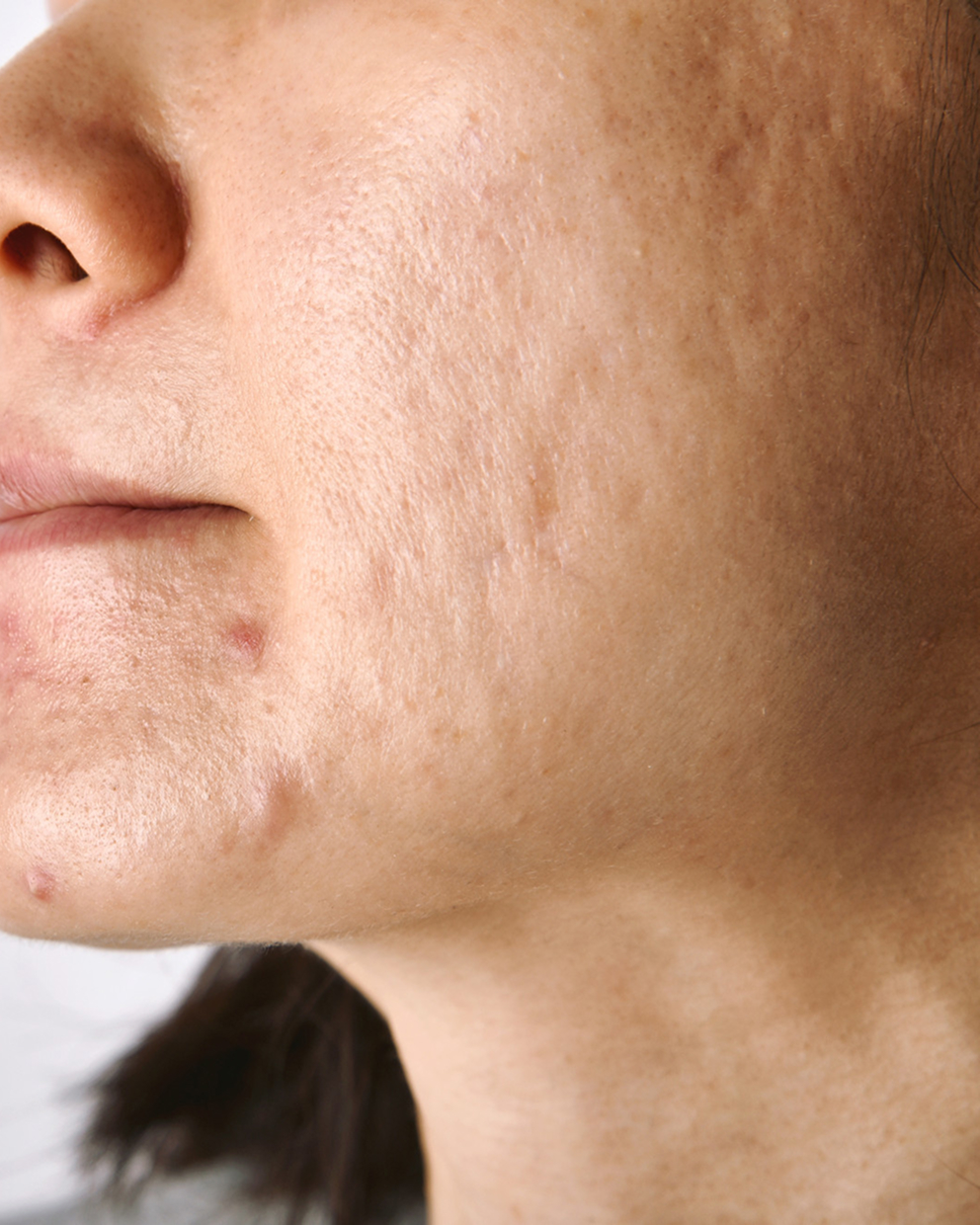
What are Acne Scars?
Acne scars are permanent structural changes that develop when inflammatory acne damages the deeper layers of the skin.
During the healing process, the skin attempts to repair itself by producing collagen. When too little or too much collagen is formed, the healing process can leave behind visible changes in skin texture, resulting in depressed or raised scars.
What Causes Acne Scars?
Acne scars are more than surface imperfections. They develop when deep inflammation under the skin damages the skin’s supporting structures beneath the surface. Depending on how the skin repairs itself, collagen may be lost, produced unevenly, or organised abnormally, resulting in permanent changes to the skin’s texture.
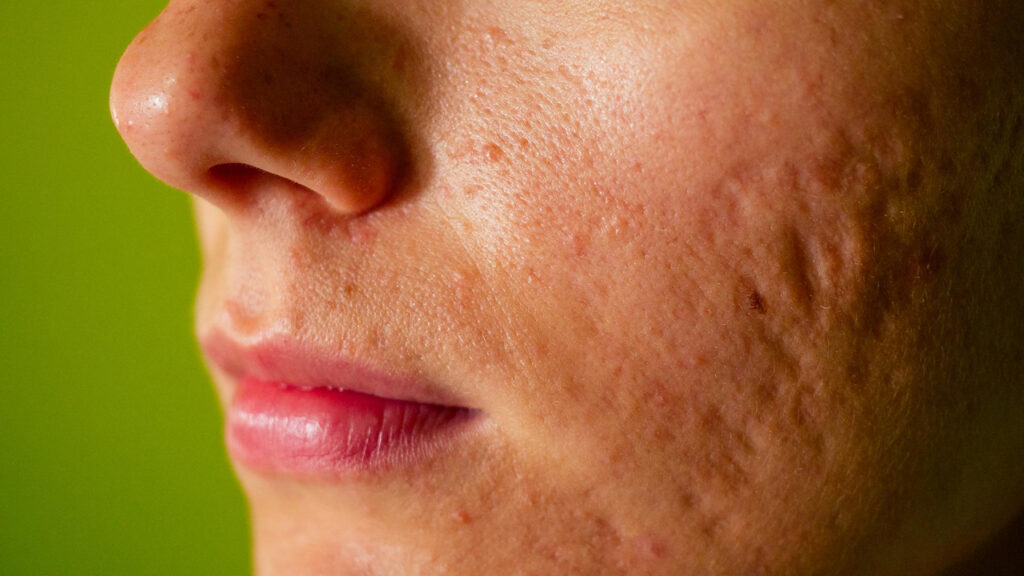
Deep Inflammation
Inflammatory acne lesions can extend deep into the dermis, where collagen and elastin provide the skin with its strength and support. When this inflammation is severe or prolonged, it damages the surrounding tissue and increases the risk of permanent scarring.
Collagen Loss & Abnormal Remodelling
During healing, the body replaces damaged tissue by producing new collagen. If too little collagen is formed, the skin loses structural support, leading to depressed scars such as rolling, boxcar, or ice pick scars.
Fibrous Scar Tethering
As acne heals, fibrous bands of scar tissue may develop beneath the skin, anchoring the scar to deeper structures. These tethered scars pull the skin downward, creating the uneven depressions commonly seen in rolling acne scars.
Impaired Skin Repair
Persistent inflammation and repeated acne breakouts can interfere with the skin’s natural healing process. As a result, collagen regeneration becomes less organised, making scars more noticeable and more difficult to improve over time.
Types of Acne Scars

The Difference of PIH and Acne Scars
Post-Inflammatory Hyperpigmentation (PIH)
Post-inflammatory hyperpigmentation (PIH) occurs when inflammation from acne stimulates the skin to produce excess melanin during the healing process.
It typically appears as flat brown, dark brown, or black spots that remain after active acne has resolved. While these marks may be noticeable, the skin surface itself remains smooth without any change in texture.
Unlike acne scars, PIH is temporary and may gradually fade over time as the skin naturally renews itself. Medical-grade topical skincare, pigment-targeting laser treatments, and consistent daily sun protection can help accelerate improvement and reduce the risk of further darkening.
Acne Scars
Acne scars develop when deeper inflammation damages the skin’s collagen framework during healing. Instead of affecting skin colour alone, acne scars alter the skin’s underlying structure.
They may appear as depressed indentations, uneven skin texture, or raised scars, depending on how the skin repairs itself after inflammation. Unlike pigmentation, acne scars involve permanent structural changes and do not typically improve on their own.
Treatment focuses on stimulating collagen remodelling and rebuilding the skin from within using regenerative and collagen-stimulating procedures that improve skin texture over time.