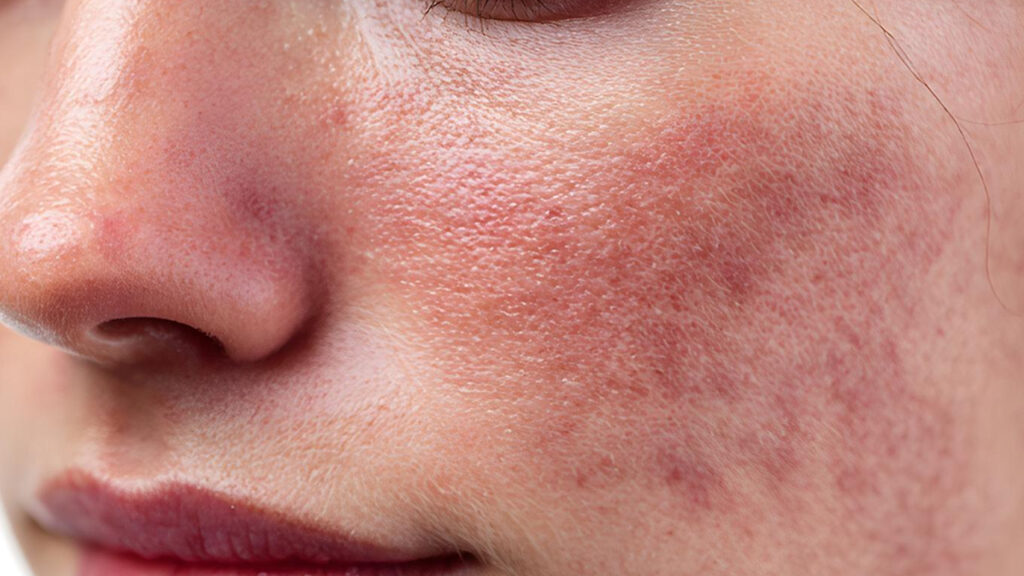
Rosacea or redness
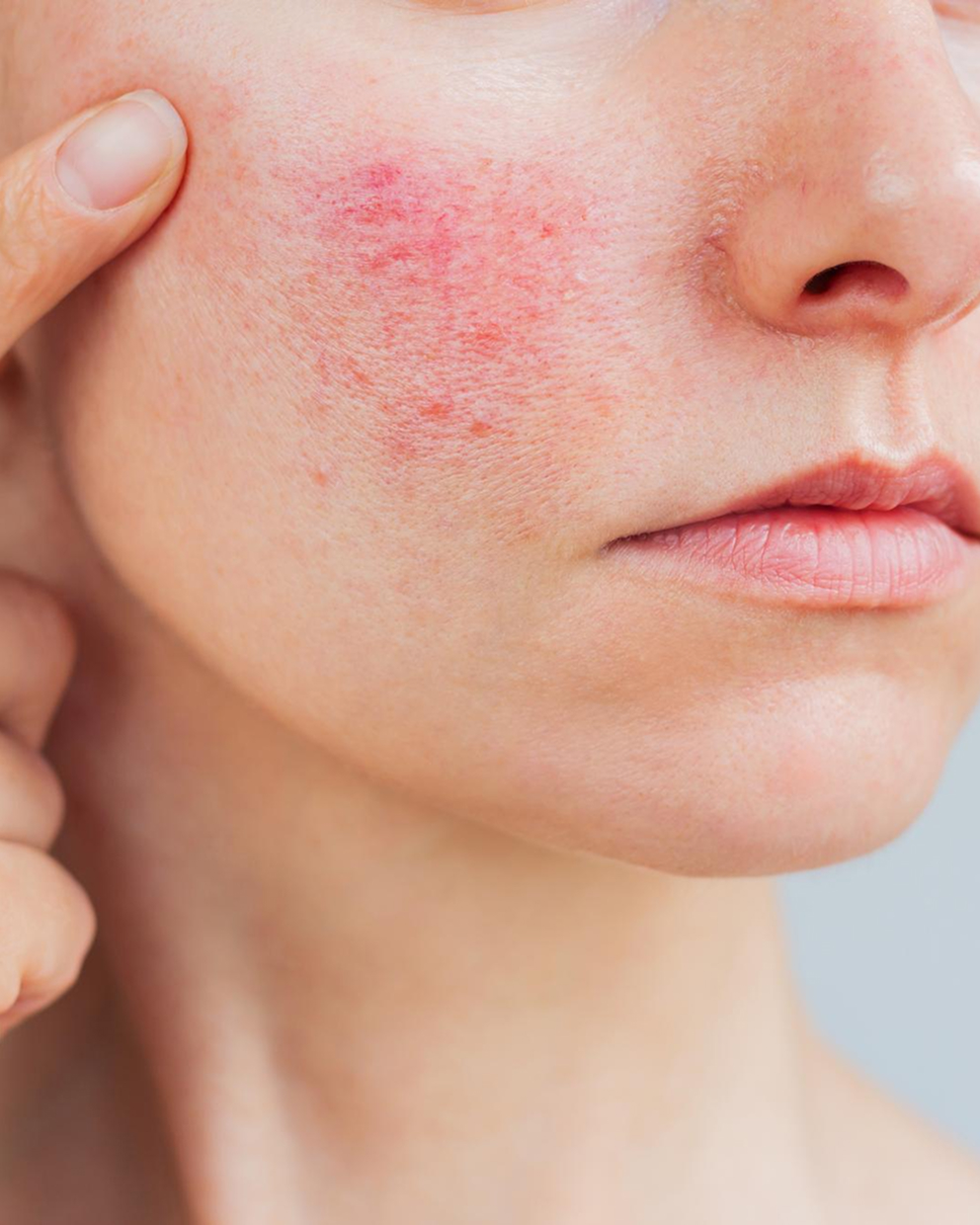
What are Rosacea and Redness?
Facial redness refers to persistent or recurring redness that commonly affects the cheeks, nose, chin, or forehead. While occasional flushing is normal, redness that remains visible or frequently returns may indicate an underlying skin condition such as rosacea.
Rosacea is a chronic inflammatory skin condition characterised by persistent redness, flushing, visible blood vessels, and, in some cases, acne-like bumps or skin sensitivity. Although its exact cause is not fully understood, rosacea is believed to involve an overactive immune response, abnormalities in the skin’s blood vessels, and a weakened skin barrier.
Common Signs of Rosacea
Persistent Facial Redness
Redness remains visible across the cheeks, nose, forehead, or chin even when flushing has subsided.
Frequent Flushing
Episodes of sudden facial flushing may occur after exposure to heat, exercise, emotional stress, alcohol, or spicy foods.
Visible Blood Vessels
Small dilated blood vessels (telangiectasia) become visible beneath the skin, contributing to persistent redness.
Acne-Like Bumps
Some patients develop red bumps or pus-filled lesions that resemble acne but occur without blackheads or clogged pores.
Sensitive Skin
Rosacea-prone skin often feels easily irritated, with symptoms such as burning, stinging, dryness, or increased sensitivity to skincare products.
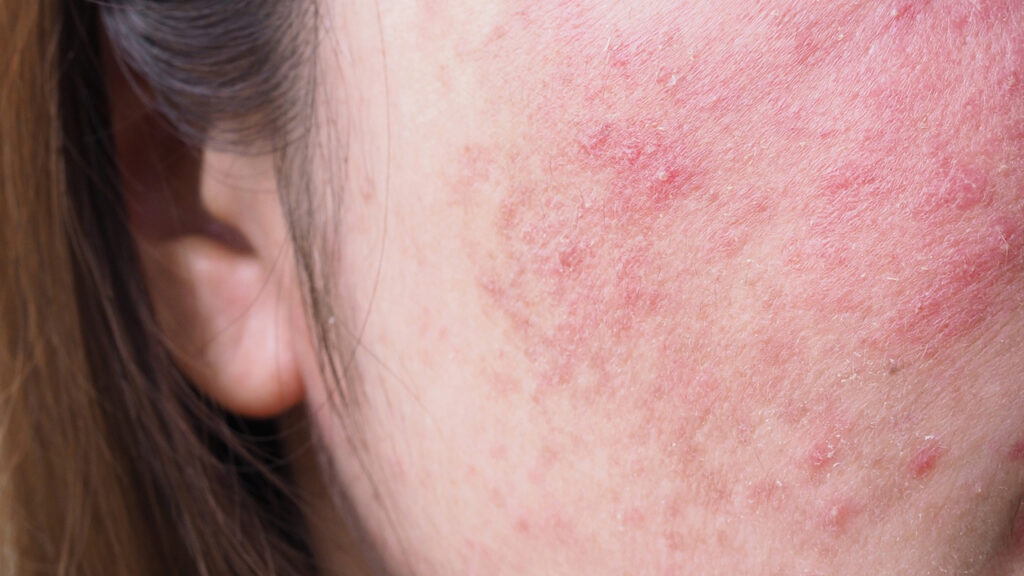
What Causes Rosacea and Redness?
Rosacea and persistent facial redness often result from complex biological changes involving the skin barrier, immune system, blood vessels, and nerve responses. Together, these changes make the skin more reactive, leading to persistent redness, flushing, and episodes of inflammation.
Overactive Blood Vessels
One of the key features of rosacea is increased blood vessel activity within the superficial dermis. These small blood vessels dilate more easily and remain enlarged for longer periods, resulting in persistent redness, visible facial flushing, and, in some individuals, prominent facial capillaries (telangiectasia).
Chronic Skin Inflammation
Rosacea is associated with an overactive innate immune response. Inflammatory mediators released within the skin can trigger redness, swelling, warmth, and irritation while increasing the skin’s sensitivity to everyday environmental triggers. Persistent inflammation may also contribute to recurrent flare-ups over time.
Impaired Skin Barrier
The epidermis serves as the skin’s protective barrier by retaining moisture and preventing irritants from entering. In individuals with rosacea, this barrier is often weakened and makes the skin more susceptible to irritation, dryness, burning sensations, and persistent redness.
Neurovascular Hypersensitivity
The nerves and blood vessels within rosacea-prone skin become overly responsive to external stimuli such as heat, sunlight, alcohol, emotional stress, and temperature changes. This exaggerated response causes blood vessels to dilate rapidly, leading to episodes of flushing and worsening facial redness.