
Acne
What is Acne?
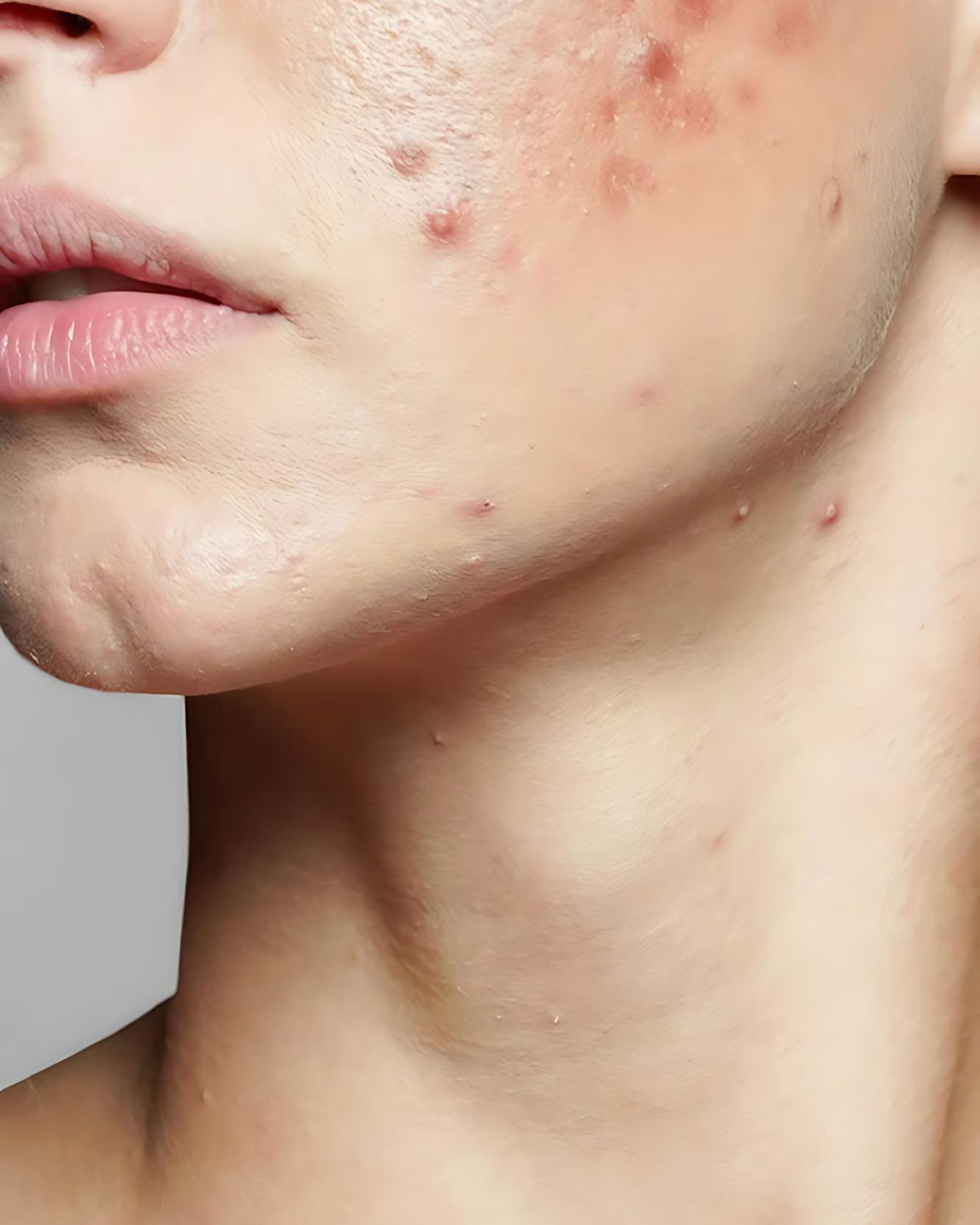
Acne is a chronic inflammatory skin condition that develops when hair follicles become clogged with excess oil (sebum), dead skin cells, and bacteria.
Although acne commonly affects the face, it can also occur on the chest, shoulders, and back. The condition may range from occasional blackheads to persistent inflammatory breakouts and deeper cystic lesions.
What Causes Acne?
Acne is more than just clogged pores. It often reflects biological changes occurring within different parts of the skin, particularly the hair follicle and sebaceous (oil) gland. As oil production increases, skin cell turnover becomes disrupted, bacteria multiply, and inflammation develops, creating the conditions for acne to form and persist.
Overactive Sebaceous Glands
Each hair follicle is connected to a sebaceous gland that produces sebum to protect and lubricate the skin. When these glands become overactive, excessive sebum accumulates within the follicle, creating conditions that promote pore blockage and acne formation.
Bacterial Overgrowth
Blocked follicles create an oxygen-poor environment that allows Cutibacterium acnes (formerly Propionibacterium acnes), a naturally occurring skin bacterium, to multiply. As bacterial levels increase, they trigger immune responses that contribute to the development of inflamed acne lesions.
Inflammation
Inflammation plays a central role throughout the acne process. Even before visible pimples appear, inflammatory signals within the skin can activate immune cells and damage the surrounding tissue.
Hormonal & Genetic Influences
Hormones, particularly androgens, can increase sebaceous gland activity and stimulate excess oil production. At the same time, genetic factors influence how the skin responds to hormones, inflammation, and bacterial overgrowth, which explains why some individuals are more prone to persistent or severe acne than others.
Types Of Acne
Complications of Acne If Not Treated
Acne Scarring
Persistent inflammation may damage collagen, leading to permanent depressed or raised scars that become increasingly difficult to treat over time.
Post-Inflammatory Hyperpigmentation (PIH)
After acne heals, excess melanin production may leave brown marks that can persist for months.
Post-Inflammatory Erythema (PIE)
Inflammation may also leave behind persistent pink or red marks caused by changes in the skin’s small blood vessels.
