
Melasma
What is Melasma?
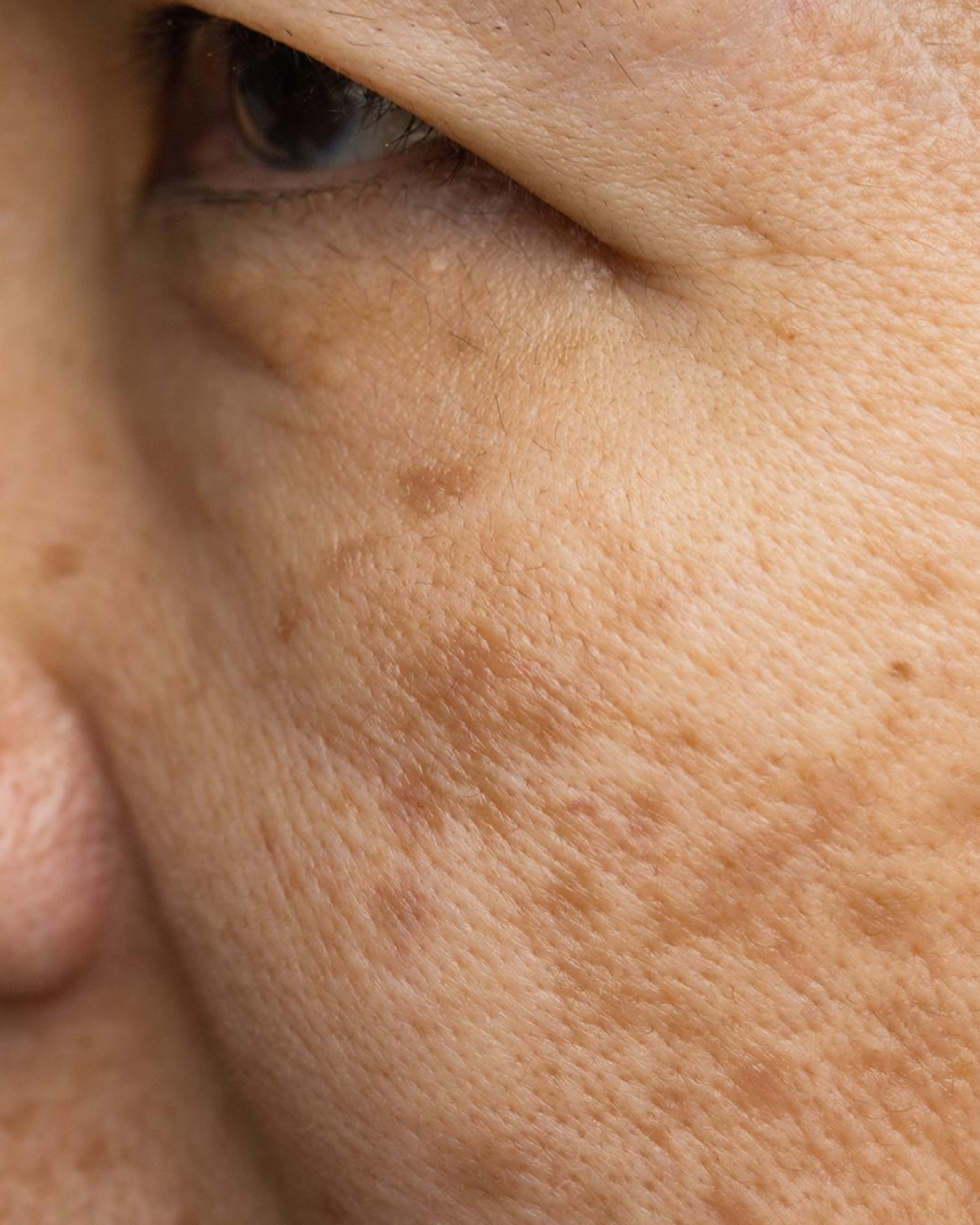
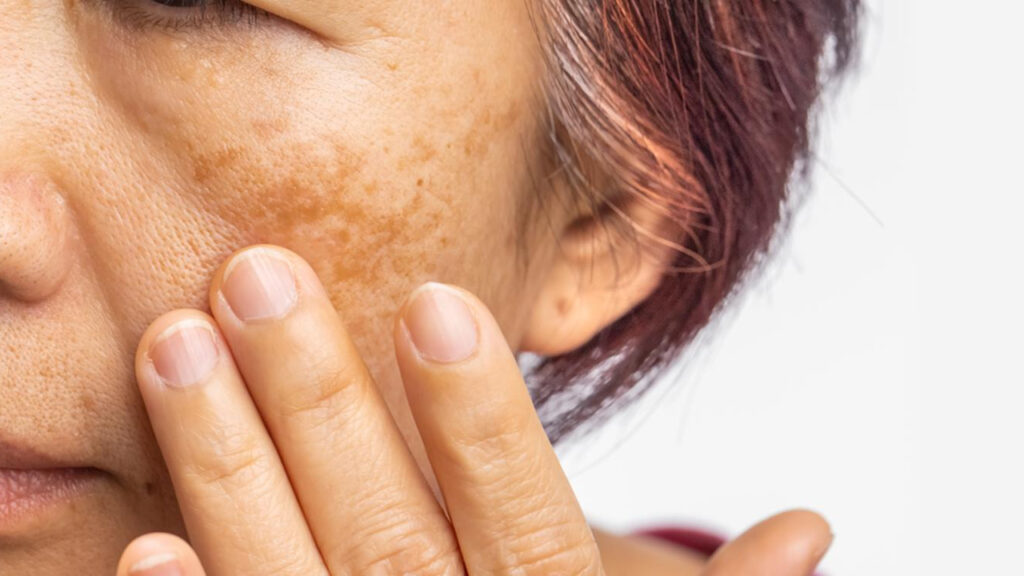
Melasma is a chronic pigmentation condition characterised by symmetrical brown or grey-brown patches that commonly develop on the cheeks, forehead, nose, upper lip, and chin.
Unlike freckles or age spots, melasma is a complex condition involving excessive melanin across different skin layers. The pigment may be present in the epidermis, the dermis, or both, making a comprehensive treatment approach essential for addressing the different layers involved.
Why Does Melasma Develop?
At InnerSkin, we recognise that melasma involves several underlying changes occurring beneath the skin’s surface.
Basement Membrane Defects
The basement membrane acts as a protective barrier between the epidermis and the deeper dermis. In patients with melasma, this barrier may become weakened or disrupted. As a result, excess melanin can migrate into the deeper dermis, where it becomes more difficult to remove through natural skin renewal.
Vascular Melasma
In many cases, melasma is associated with increased blood vessel activity and low-grade inflammation beneath the affected skin. These underlying changes continue to stimulate melanocytes to produce excess melanin, creating a cycle of ongoing pigmentation.
As a result, melasma may recur even after the visible pigment has faded, which is why effective treatment often involves addressing both the pigmentation and its underlying vascular component.
Treatment for Melasma
Defense
Defense the skin from UVA, UVB, Visible blue light, and heat.
- Topical Sunscreen
- Oral photoprotective or supplements such as Heliocare
Suppress
Suppress melanin production with the right topical treatments and skincare ingredients.
- Tranexamic Acid
- Kojic Acid
- Alpha Arbutin
- Azelaic Acid
- Vitamin C
- Retinol
- Cysteamine
- Hydroquinone (when clinically appropriate)
Repair & Reduce
Strengthen the basement membrane and improve overall skin quality.
- Pico Laser
- Yellow Laser
- Skin Booster
Innerskin Signature Programme
- Pigmentation Programme
Can Melasma Be Permanently Treated?
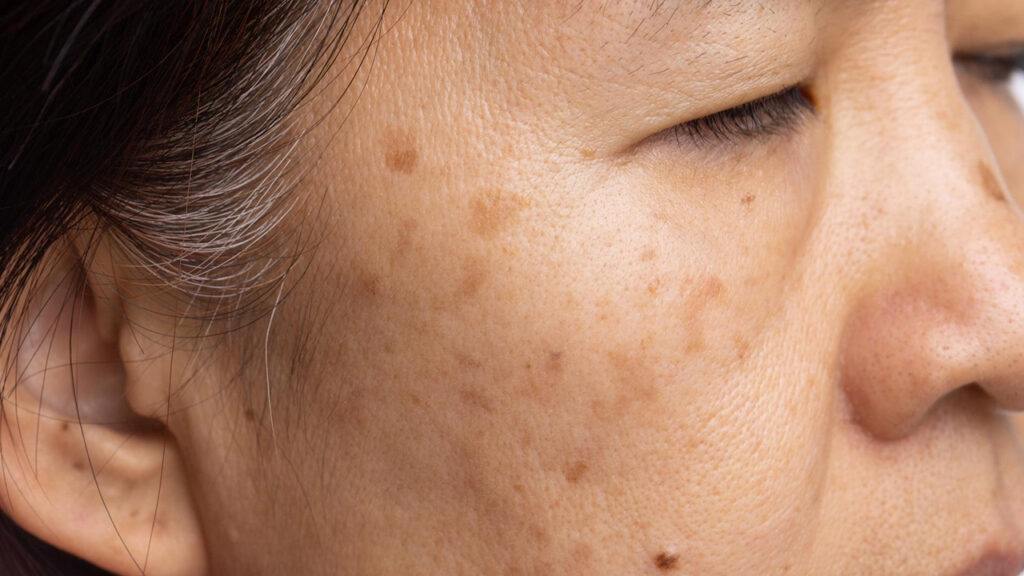
Melasma is a chronic skin condition that can be effectively managed, but it cannot be permanently cured. While treatment can significantly reduce pigmentation, underlying triggers such as sun exposure, hormonal changes, vascular activity, and skin inflammation may continue to stimulate melanin production over time.
Long-term improvement therefore relies on a combination of personalised treatment, ongoing maintenance, and consistent sun protection to help minimise recurrence.