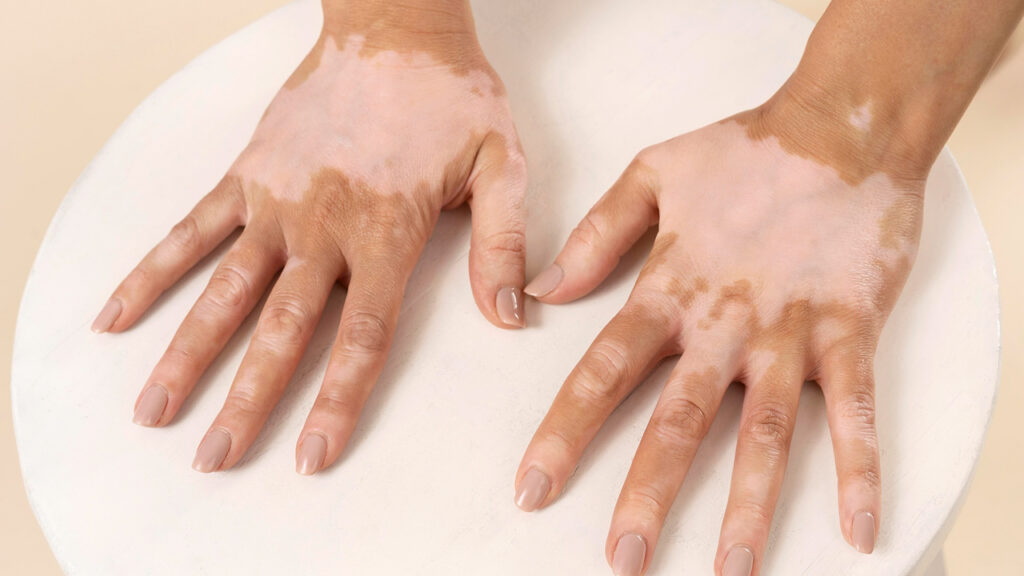
Pigmentation
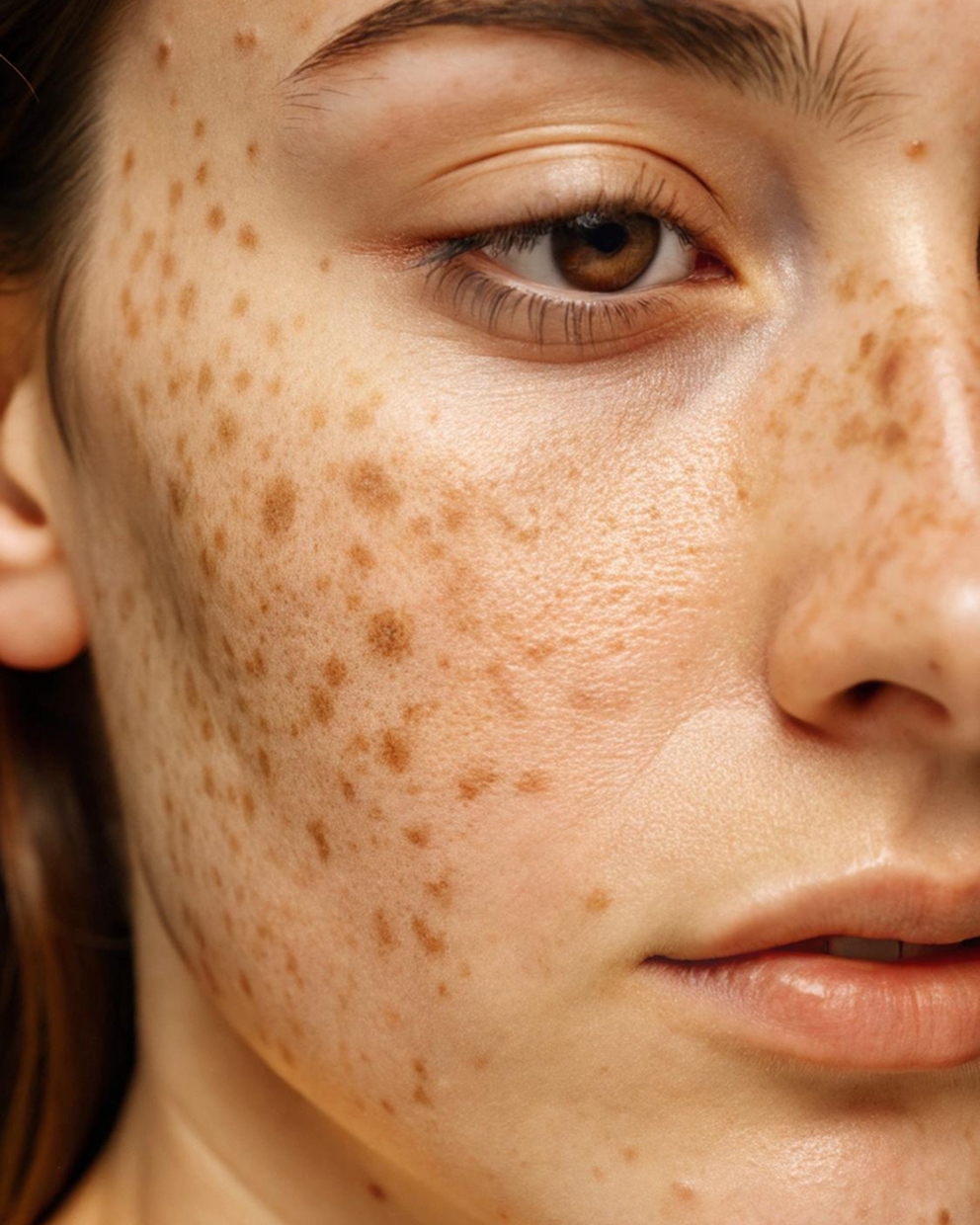
What is Pigmentation?
Pigmentation refers to the colouring of the skin, which is primarily determined by melanin — a natural pigment produced by specialised cells known as melanocytes.
Melanin plays an important role in protecting the skin against ultraviolet (UV) radiation. However, when melanin production becomes excessive or uneven, it can lead to patches or areas of darker skin, commonly known as pigmentation.
What Causes Pigmentation?
Pigmentation is more than just excess melanin on the skin’s surface. It often reflects a combination of biological changes occurring across different layers of the skin, which can make pigmentation persistent or prone to recurrence if the underlying causes are not addressed.
Overactive Melanocytes
Melanocytes are specialised cells responsible for producing melanin. When they become overactive, they produce excessive pigment, resulting in uneven skin tone, melasma, freckles, or post-inflammatory hyperpigmentation.
Skin Inflammation
Inflammation caused by acne, eczema, irritation, or UV exposure can stimulate melanocytes to produce more pigment during the skin’s healing process. This often leads to post-inflammatory hyperpigmentation (PIH) and may worsen existing pigmentation.
Basement Membrane Damage
The basement membrane is a thin structural layer that separates the epidermis from the dermis. When weakened by chronic sun exposure or inflammation, pigment can migrate into deeper skin layers, where it becomes more difficult to treat and more likely to recur.
Reduced Skin Repair
As collagen production declines with ageing and cumulative sun damage, the skin becomes less effective at repairing itself. This weakens the skin’s supporting structure and contributes to uneven pigmentation, slower recovery, and reduced overall skin quality.
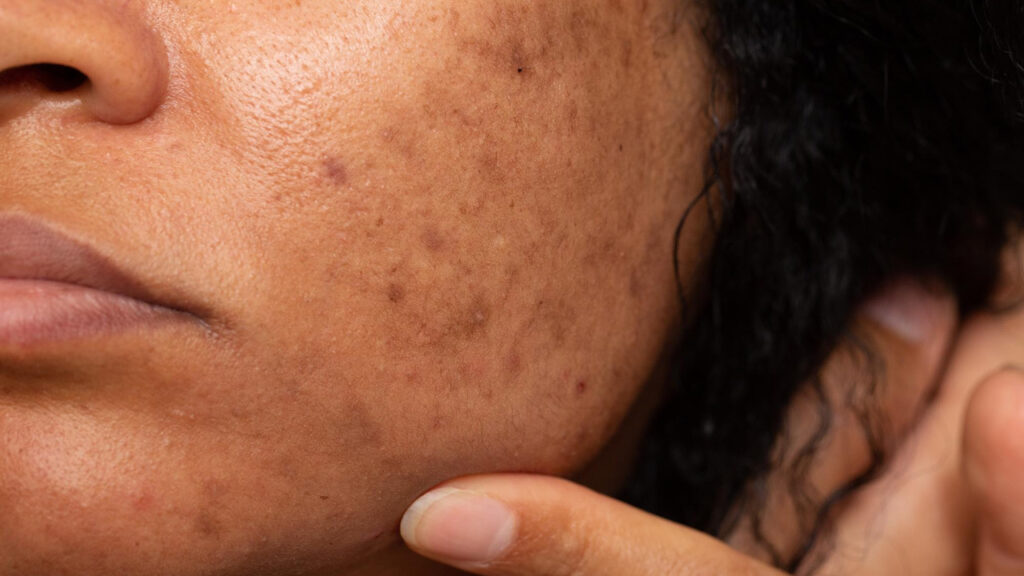
Types of Pigmentation By Skin Layers
Not All Pigmentation Lies in the Same Skin Layer. At InnerSkin, we assess pigmentation based on where excess pigment is located within the skin. It helps determine which treatments may be most appropriate.
Epidermal Pigmentation
The pigment is located within the outer layer of the skin. It occurs when excess melanin is produced or retained within the epidermis. Because this pigment is located close to the surface, it often appears as light to medium brown patches with well-defined borders.
Dermal Pigmentation
This type of pigment is located within the deeper dermis.It develops when changes in the skin’s natural barrier allow excess pigment to move beneath the surface and become trapped within the deeper layers of the skin. Because the pigment lies in the deeper dermis, it often appears as bluish-grey, grey-brown, or shadow-like patches with less defined borders.
Mixed Pigmentation
This is a combination where melanin is excessed or overproduced which is deposited in both epidermal and dermal skin layers. Mixed pigmentation often appears as irregular brown or grey-brown patches, combining both superficial pigmentation and deeper shadow-like discolouration.
Treatment for Pigmentations
Prevention of Pigmentation